
What to Expect on Your First Canyoneering Tour
What happens on your first canyoneering tour? Discover what to expect, how guides prepare you, and why it's worth stepping outside your comfort zone.
What happens on your first canyoneering tour? Discover what to expect, how guides prepare you, and why it's worth stepping outside your comfort zone.
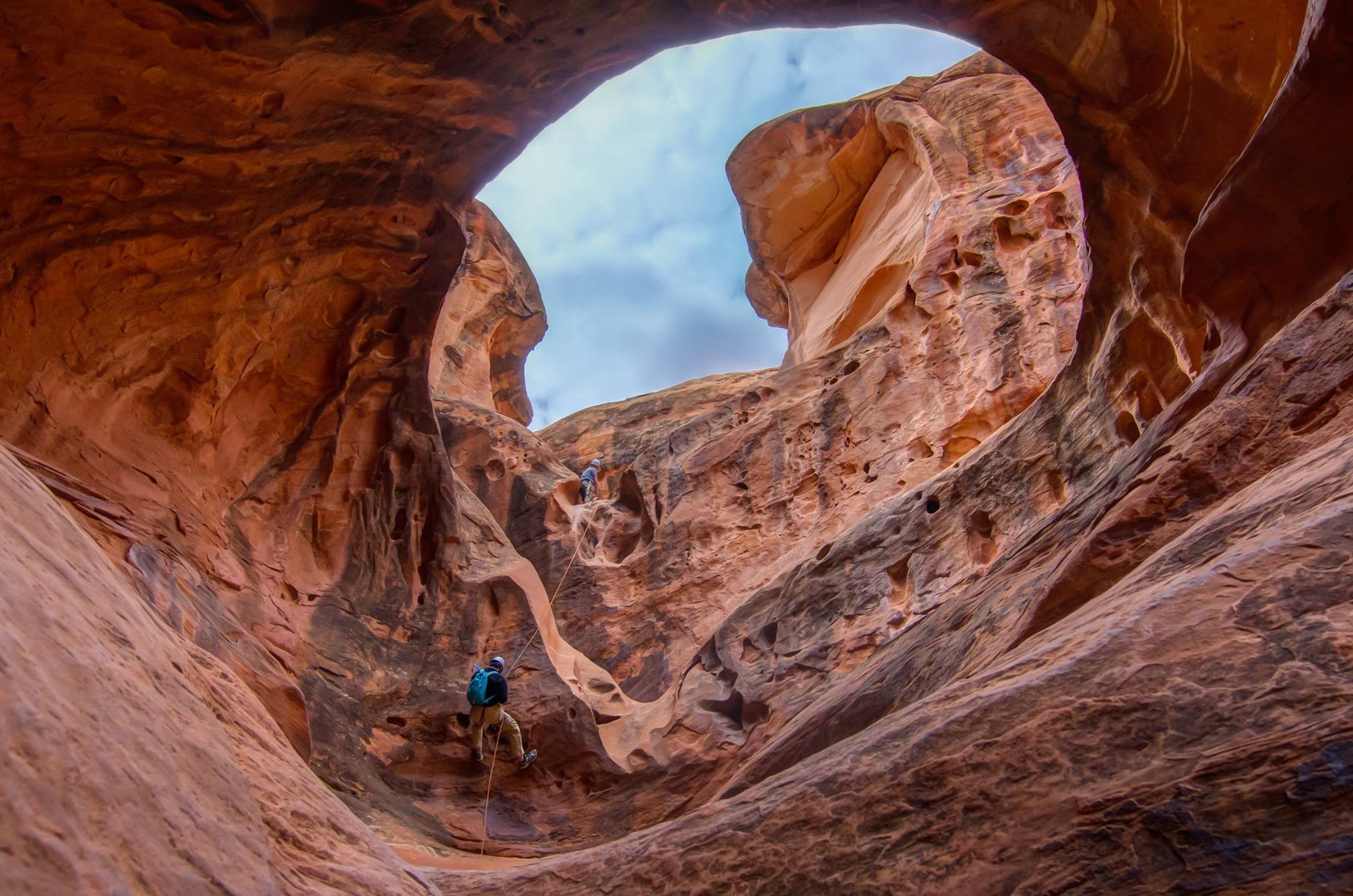
If you’re searching for what to expect on your first canyoneering tour, chances are you’re feeling a mix of excitement and curiosity, with maybe a little nervousness thrown in. We’ve guided plenty of first-time canyoneers, and we can tell you one thing right away: almost everyone arrives with the same questions.
“Will I be able to do it?”
“Is rappelling scary?”
“What if I’ve never done anything like this before?”
Those are all completely normal questions. In fact, some of our most memorable guests are the people who show up saying, “I’m not sure this is for me”... By the end of the day, those same people are usually the ones smiling the biggest, telling everyone about the incredible canyon they just explored.
Canyoneering is an adventure that combines hiking, climbing, scrambling, rappelling, and exploring hidden landscapes that most people never get to see. It takes you beyond the ordinary trail and into places carved by water, wind, and thousands of years of geological history.
As your guide, our job is not just to lead the way. Our job is to help you feel confident, teach you new skills, and make sure you have an unforgettable experience while staying safe. Here’s exactly what you can expect on your first canyoneering adventure.
Before we step into the canyon, we take time to get everyone comfortable with the plan. We introduce ourselves, explain the route, talk about the conditions we’re expecting, and answer any questions you have.
One of the biggest things we want first-time canyoneers to understand is that you do not need previous experience. Most beginner canyoneering tours are designed for people who are active, willing to learn, and ready for a little adventure. You don’t need to be a rock climber. You don’t need to have rappelled before. You don’t need to be an expert outdoorsperson. You just need to listen, communicate, and be willing to try something new.
During the safety briefing, we’ll also explain the equipment, review important commands, and show you how we move through the canyon as a team. A successful canyoneering trip is built on trust: trust in your gear, trust in your guide, and trust in yourself.
The first time you see canyoneering equipment, it can look like a lot. Harnesses, helmets, ropes, carabiners. It can look very overwhelming if you’ve never experienced it before. Don’t worry! That’s why you have a guide!
We’ll help you get fitted with your gear and explain exactly how everything works. Your harness is designed to keep you secure, your helmet protects you in the rugged canyon environment, and your other equipment helps us safely navigate different obstacles. A big part of our job is making sure you understand not only what to do, but why we do it. When you know how your equipment works, you feel much more confident using it.
Many people imagine canyoneering as one long rappel, but the reality is that the adventure begins before we ever touch a rope. Most canyoneering tours include a hike through some amazing terrain. Depending on the location, that might mean slickrock expanses, rocky washes, or dramatic canyon overlooks. This part of the journey is where we usually start sharing stories about the area. We love explaining how the canyon was formed, pointing out unique rock formations, and showing guests the details they might miss if they were exploring on their own.
One thing you’ll notice quickly is that canyoneering has a different pace than a normal hike. We slow down when we need to. We stop for safety checks. We take time to appreciate the surroundings. The goal isn’t to rush through the canyon. The goal is to fully experience it.
When we enter the canyon, the entire experience changes. The walls rise around you, the sounds become quieter, and you start to feel how small we are compared to the landscape.This is usually the moment when first-time guests realize they are somewhere special.
Beginner canyoneering may involve hiking, climbing over rocks, navigating narrow passages, walking through water, and using ropes in certain sections. Every canyon is different, and every tour has its own personality.Some sections may challenge you physically. Others may challenge you mentally. The important thing is that you never have to figure it out alone. We will be there explaining each step, demonstrating techniques, and helping you move through obstacles safely. The biggest lesson we teach beginners is simple: slow and steady wins the day.
For many people, the first rappel is the highlight of their first canyoneering tour and the moment they are most nervous about. We can completely understand why. Standing at the top of a canyon wall and preparing to step backward over the edge feels like a crazy thing to do. Your brain is designed to tell you, “Maybe don’t walk off this cliff?!” That’s a pretty reasonable instinct.
The difference is that in canyoneering, you are connected to a carefully managed rope system, using equipment designed for the activity, and supported by experienced guides. We will walk you through everything before you begin. We’ll explain your body position, how to control your descent, and how to communicate during the rappel. The funny thing is that most people’s biggest challenge is not the rappel itself, it’s taking that first step. Once you do, something changes. You realize you’re capable of more than you thought. You start looking around at the canyon walls, enjoying the view, and thinking, “Why was I so nervous?” That moment of confidence is one of our favorite parts of guiding.
Canyoneering is not a sightseeing tour where you stay perfectly clean. You are entering a natural environment, and part of the experience is getting involved. Depending on the canyon, you may walk through water, slide across smooth rock, squeeze through narrow sections, or pick up some canyon dust along the way. The dirtier your shoes get, the better the story usually is. Wear clothing that is comfortable and appropriate for outdoor activity. Choose footwear with good traction, bring water, and be prepared for changing conditions. The best mindset for a canyoneering adventure is simple: embrace the experience.
One of our favorite things about leading beginner canyoneering tours is watching strangers become a team. At the beginning of the day, everyone is usually focused on themselves. They’re wondering if they can do it, if they’ll keep up, or if they’ll make a mistake. A few hours later, people are encouraging each other, celebrating accomplishments, and sharing laughs. That’s what makes canyoneering different from many other outdoor activities. You are not just moving through a landscape- you are experiencing it with a group of people who are working together.
Every tour company will provide specific instructions, but most first-time canyoneers should plan to bring:
We also recommend bringing curiosity. That might sound unusual, but it’s one of the most important pieces of gear you can have. Ask questions. Notice the details around you. Take in the experience.
We’ve seen many people arrive at the office before a tour unsure if they belong on a canyoneering tour. We’ve watched them overcome challenges they didn’t think they could handle. And we’ve seen the excitement on their faces when they finish. That’s why we love guiding.
Canyoneering is not just about rappelling down a waterfall or exploring a narrow canyon. It’s about discovering a new side of yourself while experiencing some of the most incredible places on Earth. Your first canyoneering tour may push you outside your comfort zone, but that’s where some of the best memories are made. So come ready to learn, ready to laugh, and ready to get a little dirty. We’re excited to guide you through an adventure you’ll remember for years.