Arches National Park in Winter: Why January Is the Best-Kept Secret in Moab
Arches National Park in the winter means solitude, snow-dusted sandstone, and glistening sunrises. Here's what to expect — and why the Fiery Furnace is worth every step.
Arches National Park in the winter means solitude, snow-dusted sandstone, and glistening sunrises. Here's what to expect — and why the Fiery Furnace is worth every step.
Here at Navtec, Moab is part of our longtime make-up. We don’t miss a season—and we don’t play favorites. We love the land all year.
But while most folks who explore with us come for the hot spring and summer months, there’s something particularly magical about winter in the Utah backcountry.
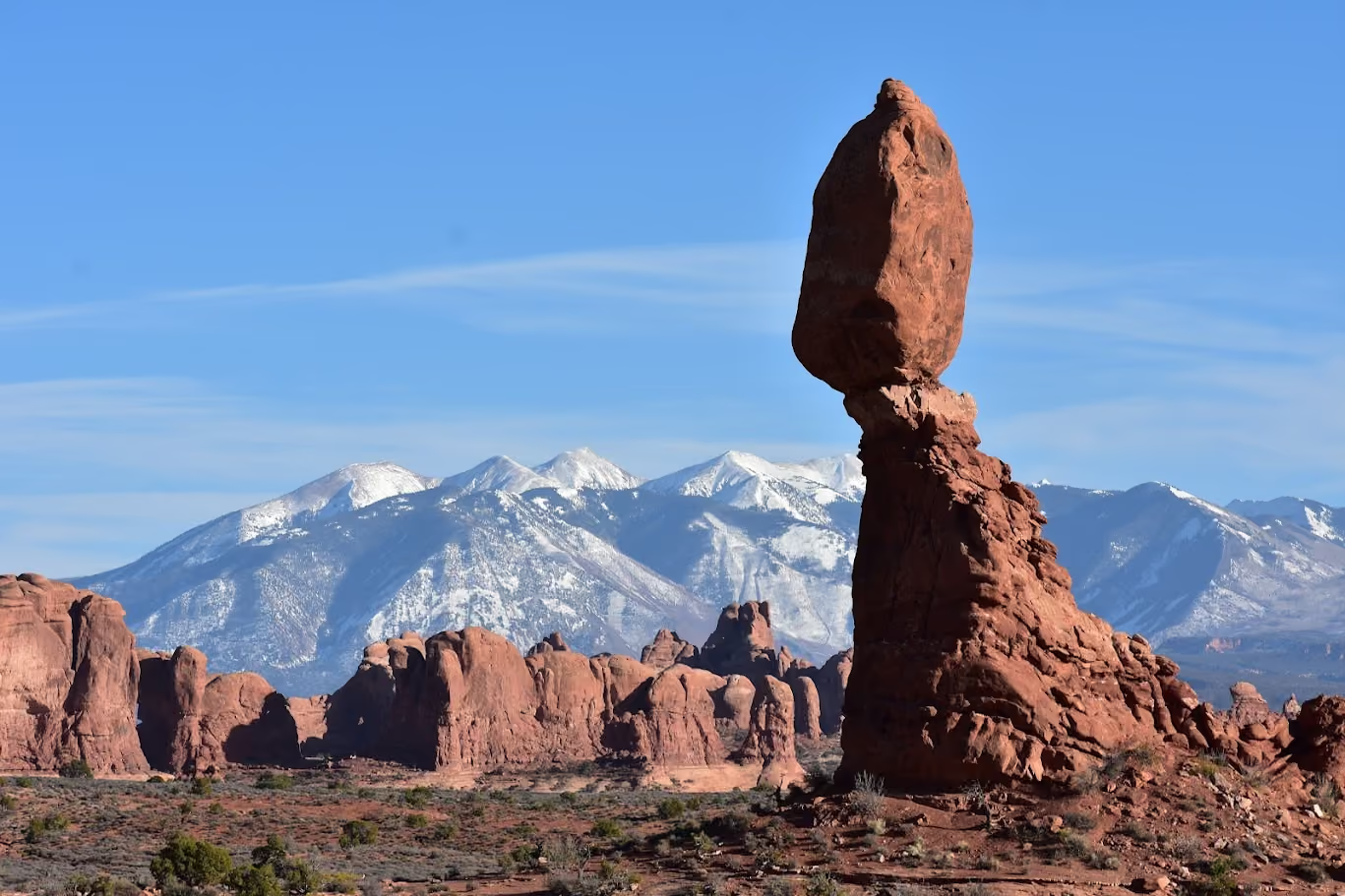
January in Arches National Park is quiet, otherworldly, and can be made into something entirely your own. The crowds dissolve. The light turns golden and low. And the sandstone, dusted in snow, glows against a sky so blue it feels like a painting.
In fact, let’s paint a picture for you. Join us for a January day in Moab, starting before sunrise.
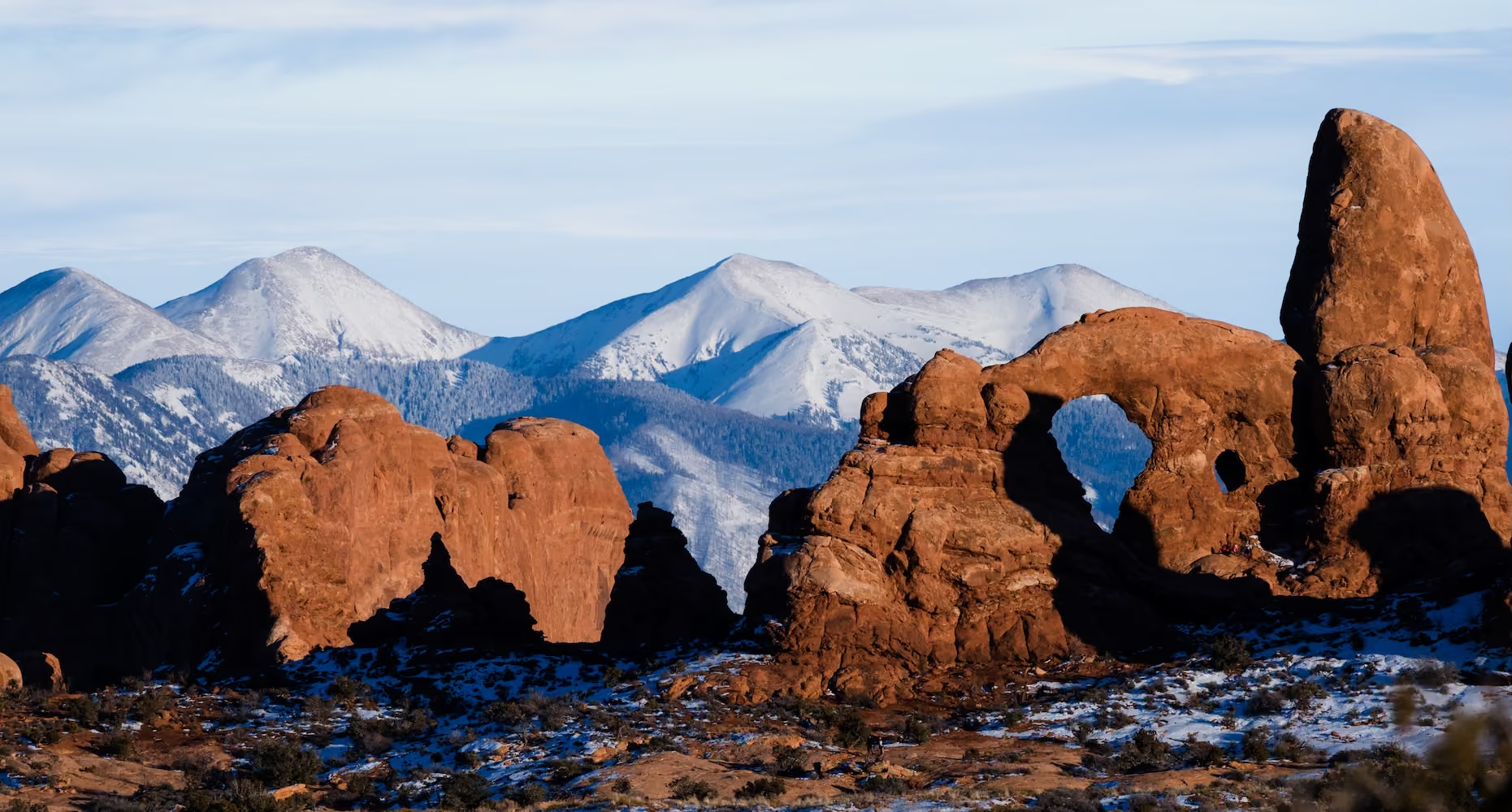
The Windows section is where you begin. In summer, it's flowing with curious hikers by 8am. In January, you can walk beneath the North Window in the last blue light of a moonset and have the entire arch — one of the most iconic in the world — to yourself.
The sunrise here hits different in winter. The La Sal Mountains catch the first light from the east, and within minutes the purple canyon shadows ignite into the amber and copper that give this country its soul. If you've ever heard people say “Moab feels alive,” this changing of the light is part of what they mean.
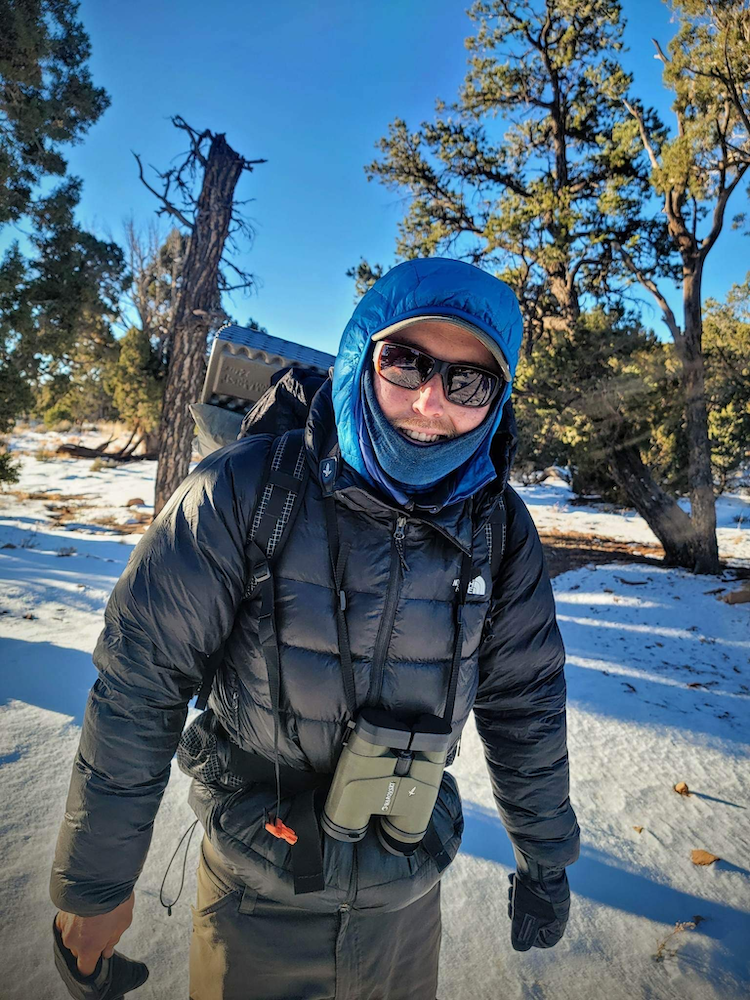
Dress for cold. Layering is essential out here — temperatures can dip well below freezing at dawn, even when afternoons warm up considerably. But don't let that be a reason to stay in. The cold is part of this feeling alive along with the land.
After the Windows, we head into the fire.
Named for the way its tight sandstone fins glow at sunset, the Fiery Furnace is one of the most unusual hiking experiences in the American Southwest — a maze of narrow corridors, hidden alcoves, and towering spires with no marked trail system. In summer, it requires either a permit or a ranger-led tour. In January, it rewards the prepared hiker with near-total solitude.
Current winter conditions in the Fiery Furnace are worth checking before you go. Ice can develop quickly in the shaded slot sections, so micro spikes are a smart addition to your pack even when the main route looks clear. The canyon can change fast, and flexibility matters more than a fixed agenda. Leave behind any strict expectations of completing a specific loop — the wandering is what makes every Moab story personal to you.
What you'll find inside is hard to describe, impossible to forget: Sandstone cathedral halls, light filtering down in thin golden columns. The kind of silence that settles over you slowly. This is Moab up close and personal. Without performance. The land does exactly what it has always done, whether anyone is watching or not. And how fortunate we are to get to witness it.
Guided interpretive hikes through the Fiery Furnace are available year-round. If you're new to the area or want the full story — the geology, the desert ecology, the history woven into these walls — going with a guide changes the experience entirely.
A few practical notes for planning a January visit:
Navtec has been guiding Moab's backcountry for three generations — through every season, every condition. If you're planning a winter trip and want to make the most of it, we'd love to show you what we know.